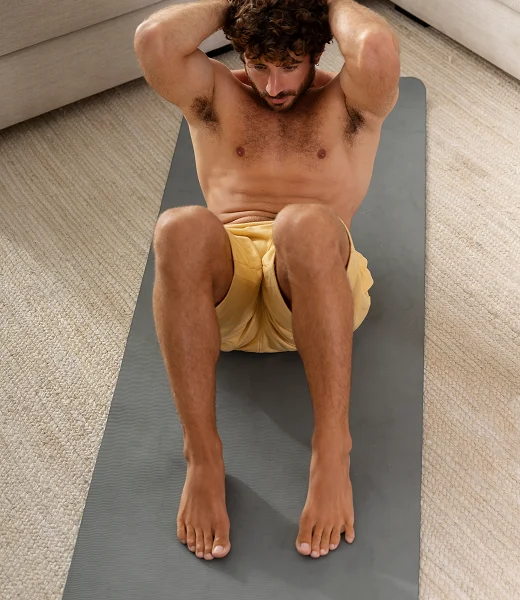
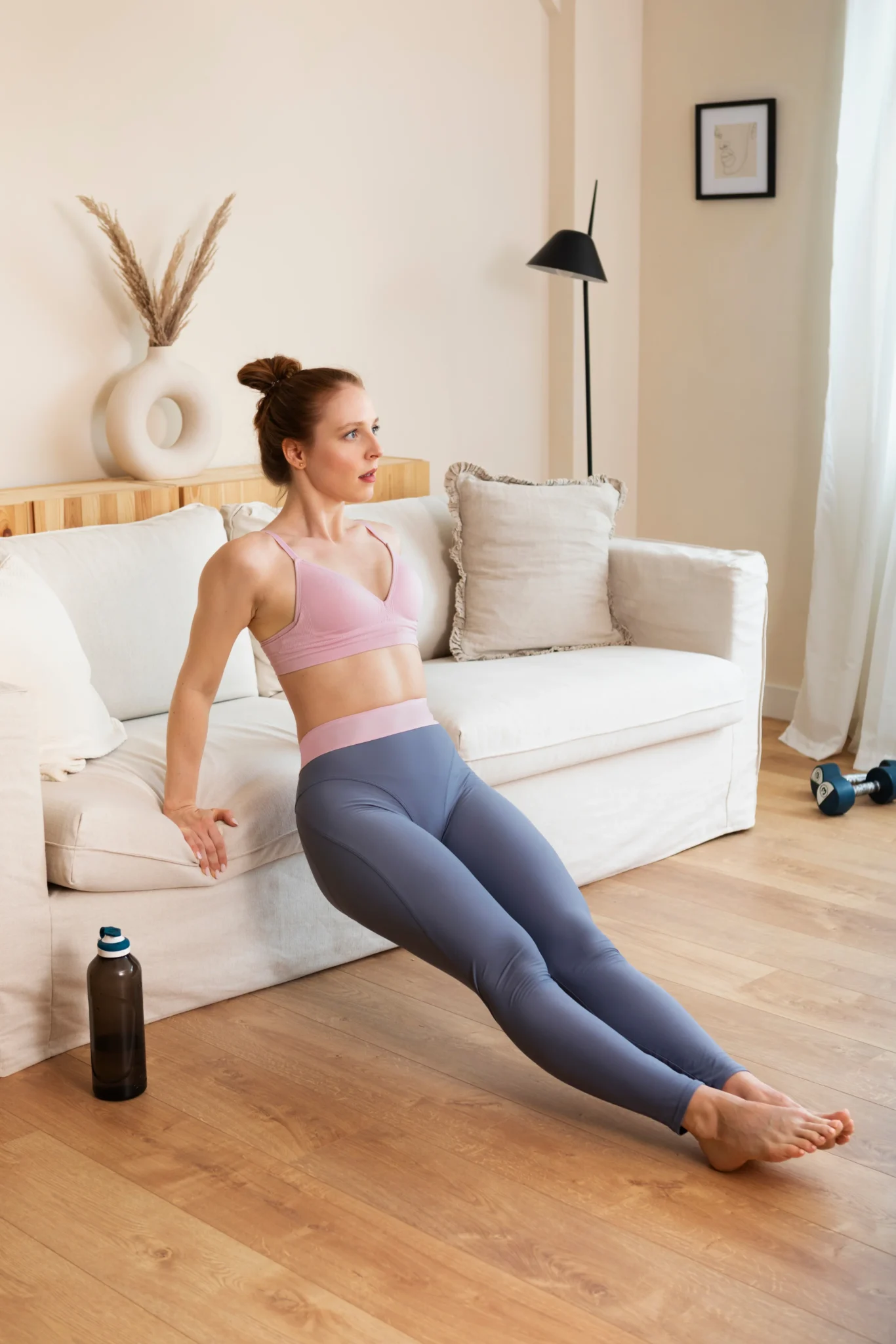
1. What Is the Pelvic Floor?
The pelvic floor is a group of muscles, ligaments, and connective tissues that form a supportive hammock at the base of your pelvis. These muscles help control bladder and bowel movements, support core stability, and play a key role in sexual function.
Healthy pelvic floor muscles contract and relax smoothly — but weakness, tension, or injury can disrupt this balance.
Common contributors include pregnancy, childbirth, aging, surgery, high-impact exercise, or chronic strain.
2. Why Pelvic Floor Health Matters?
- A healthy pelvic floor helps you:
- Maintain bladder & bowel control
- Reduce pelvic or lower back pain
- Improve stability and posture
- Enjoy more comfortable sexual function
- Support organs like the bladder, uterus, and rectum
- Move, exercise, and live with greater confidence
Ignoring pelvic floor issues can lead to ongoing discomfort, mobility limitations, or persistent pelvic pressure — but the good news is that pelvic floor health can be improved with the right tools and education.
3. Common Symptoms of Pelvic Floor Issues?
Pelvic floor dysfunction can show up in many ways, such as leakage, sudden urgency, pelvic pain, discomfort during intimacy, difficulty activating your core, or a persistent feeling of heaviness. These sensations can affect confidence, especially during exercise or daily tasks. Many people experience these issues at some point in their lives, and understanding the signs is the first step toward recovery.
4. What Affects Pelvic Floor Function?
Changes in pelvic floor strength and function can occur for many reasons. Women often experience them during pregnancy, childbirth, and menopause, while men may notice changes due to prostate-related conditions or pelvic surgery. Factors such as chronic stress, heavy lifting, poor posture, high-impact exercise, or persistent coughing can also place strain on the pelvic floor. Regardless of the cause, awareness and proper care can help restore balance.
5. How to Support Pelvic Floor Health?
Most pelvic floor concerns improve with a combination of strengthening, relaxation, and awareness. Gentle exercises, breathwork, physiotherapist guidance, and supportive lifestyle habits all contribute to better function. Many people benefit from using pelvic floor training devices, support bands, or biofeedback tools to ensure they are activating the right muscles and progressing safely. With consistent practice and the right tools, improvement is often noticeable in daily life, physical comfort, and overall confidence.